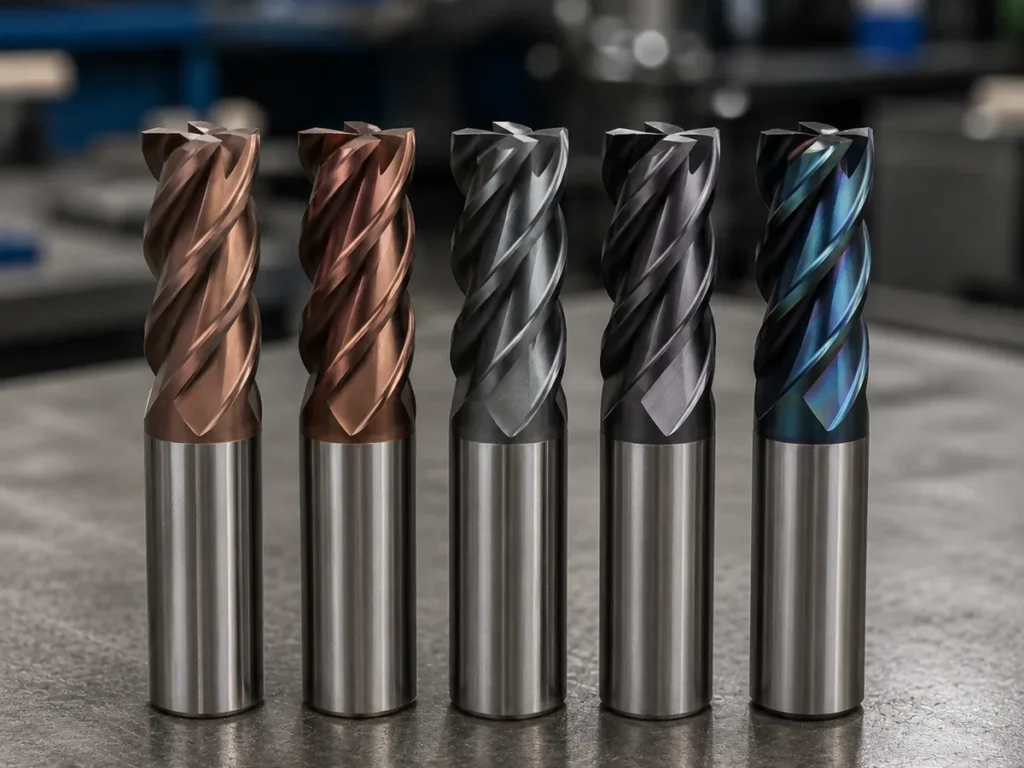
How Cutting-Tool Regrinding Can Reduce Replacement Cost and Downtime
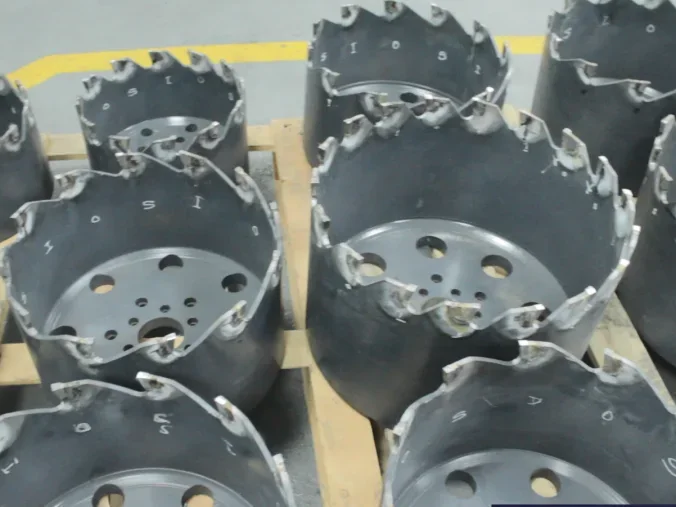
Carbide tooling is one of the few consumables in a machine shop that isn’t really a consumable. A worn carbide tool has most of its value intact — the substrate is expensive, the geometry is sound, and only the cutting edge is spent. Regrinding recovers that value, and done properly it also recovers uptime.
What regrinding actually restores
Regrinding removes a controlled amount of material to re-establish the cutting geometry: the edge, the relief angles and the flute form. A correctly reground tool returns to specification and cuts like a new tool, because geometrically it is one.
Most carbide tools can be reground several times before the substrate is consumed. Each regrind typically costs less than a new tool.
The uptime argument
Cost is the obvious benefit. Uptime is the bigger one, and it is less discussed.
A shop that regrinds locally on a quick turnaround can hold a smaller tooling inventory and still never wait for tools. A shop that replaces internationally has to hold enough stock to cover the full resupply lead time — or accept that occasionally a machine stops because the right tool is somewhere in transit.
Regrinding locally is usually faster and less costly than replacing a tool, and it keeps production running.
Knowing when to send a tool
Regrind too early and you waste substrate. Too late and you may not be able to recover the tool at all.
Send it
- Edge wear is visible but even, and confined to the cutting edge
- Surface finish has drifted, or the tool needs reduced feeds to behave
- Cutting forces or spindle load have climbed noticeably
It may be too late
- Large chips out of the edge extending into the body
- Cracking through the substrate
- Severe thermal damage
- So much wear that restoring geometry would take the tool below usable diameter
The practical rule: pull tools on a predictable schedule based on observed life, rather than running each one to destruction. Tools pulled on schedule are almost always recoverable.
What separates a good regrind from a bad one
A poor regrind is worse than a new tool, because it looks usable and isn’t. The things that matter:
- Original geometry is measured, not assumed — including helix and relief angles
- Concentricity is held, or the tool runs out and wears unevenly from the first cut
- Grinding is controlled thermally — overheating damages the substrate invisibly
- Coating is addressed where the application depends on it
- The tool is inspected before it goes back
Building it into the routine
The shops that get the most from regrinding treat it as a cycle, not an exception: batch tools rather than sending them singly, keep enough rotation to cover turnaround, track how many regrinds each type takes before retirement, and standardise on fewer tool types so the rotation is simpler.
Shaheen Arabia operates a regrinding facility in Jubail that restores suitable carbide tools to usable geometry. Ask about regrinding turnaround for your tools. See our cutting tools capability or ask about regrinding turnaround.